
Instant mobility instrument cluster
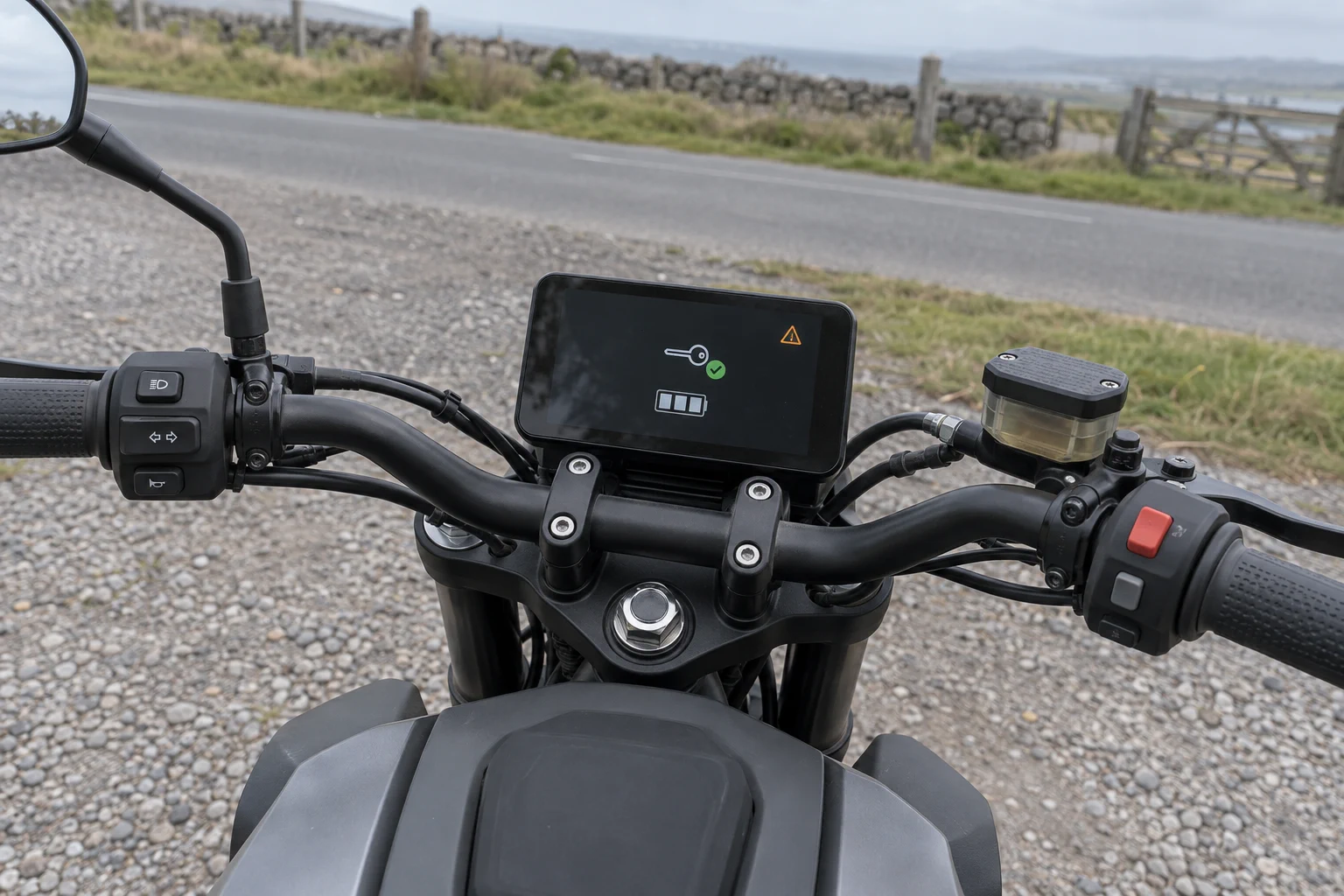
A motorcycle, boat, or other mobility product should acknowledge the operator immediately, even when its complete Linux interface still needs time to start. This study explores a real-time instrument cluster that presents qualified keyless state, essential system information, and urgent warnings from the first visible frame.
Intended outcome
Make the cluster useful before the complete application starts
The real-time side would initialize the display and render a deliberately bounded cluster as soon as the target hardware permits. The operator could see that the system recognized a keyless or wake event, whether startup is permitted, and whether an authoritative controller has reported an urgent condition.
For motorcycles, scooters, boats, and similar products, the early view could retain approved gauges, telltales, alarm states, and startup guidance until the richer Linux-rendered interface is ready. The real-time view would use only signals that are available, fresh, and validated for this operating phase.
Proposed behavior
A project-defined operating sequence
- Presence or wake event
The responsible keyless, ignition, helm, or power controller publishes a qualified state through the project-defined interface.
- Immediate first frame
GraphLab Core initializes the display and presents the approved initial cluster without waiting for the Linux UI stack.
- Essential state update
Validated vehicle or marine signals update the bounded gauges, indicators, startup permission, and warning hierarchy.
- Urgent-state priority
A qualified urgent message can replace or overlay the normal early view according to explicit priority, latching, and acknowledgement rules.
- Linux UI qualification
The application cores start in parallel and publish readiness only after the normal cluster frame is complete and current.
- Controlled presentation switch
The display owner makes the Linux-rendered cluster visible without exposing intermediate boot or compositor states.
Architecture
Responsibilities stay explicit
Keyless, ignition, powertrain, battery, vessel, navigation, and alarm controllers remain responsible for their measurements, decisions, and control functions.
GraphLab Core validates the available early-state contract and renders the approved gauges, telltales, messages, and fallback behavior.
Linux provides the complete application, navigation, connectivity, settings, and rich graphics after its frame and data are qualified.
Project inputs
Integration points to define and validate
- Target display, controller, bridge, backlight, ambient-light behavior, and environmental requirements.
- Keyless presence, authentication result, ignition, start-permission, wake, and shutdown state interfaces.
- Qualified vehicle or marine data over project-selected transports such as CAN, LIN, NMEA 2000, or direct inputs.
- Signal freshness, plausibility, units, ranges, timeout behavior, and ownership for every early gauge and telltale.
- Warning priority, latching, acknowledgement, localization, day-night presentation, and degraded modes.
- Linux cluster readiness, shared-buffer synchronization, data reconciliation, and presentation-switch policy.
- Cold start, repeated wake, brownout, key loss, bus loss, Linux restart, and display fault-injection tests.
- Product-specific cybersecurity, regulatory, homologation, and human-machine-interface review.
Assess the concept
Could this fit your platform?
Share the target SoC, display path, BSP, Linux UI stack, and the state or failure you need to make visible.
Continue exploring
Related product studies
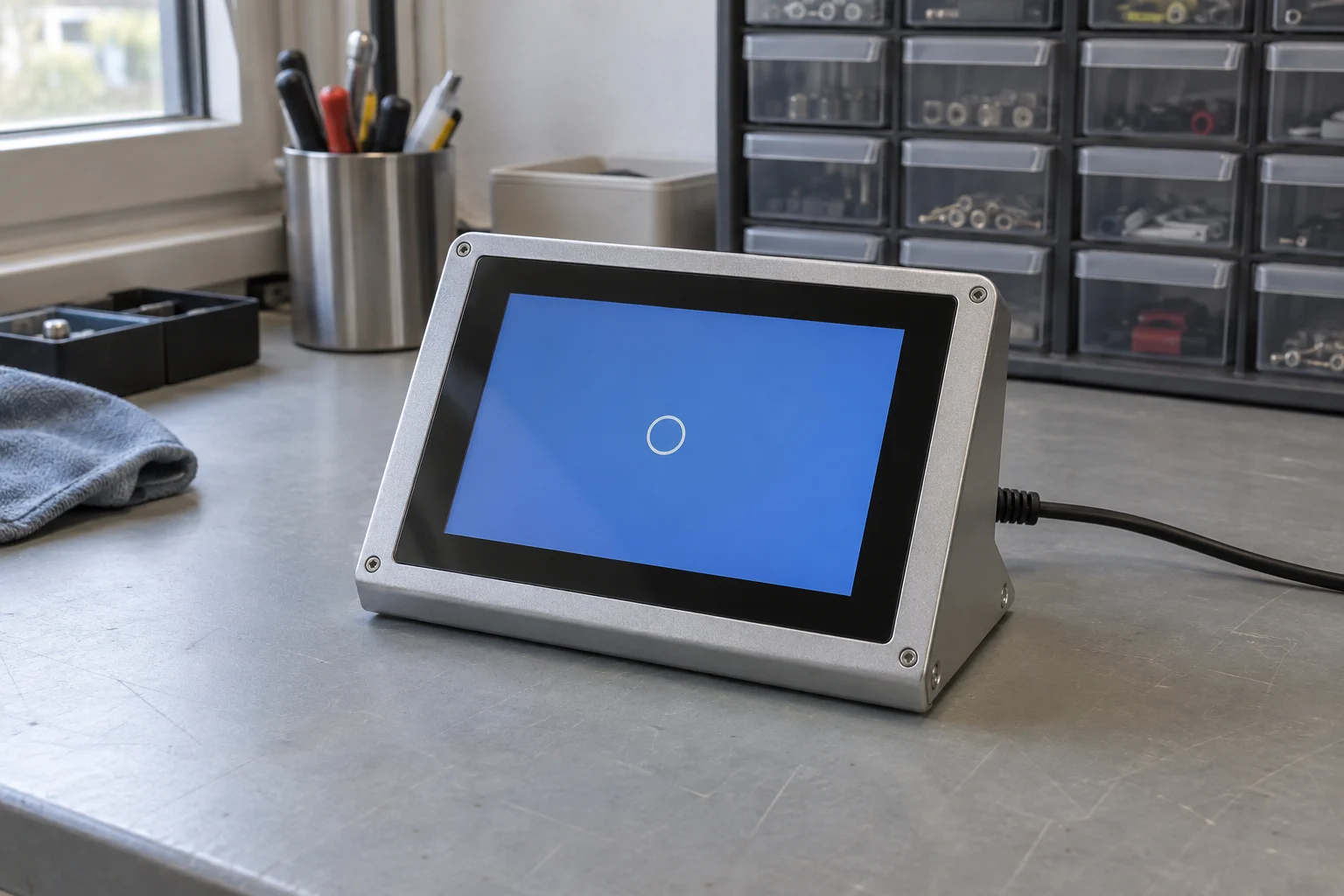
Add a persistent splash to your Torizon product
Enter the known display timings in the GraphLab Portal, add the generated GraphLab Splash configuration to your Torizon build, and keep a branded screen visible until the Linux UI is ready.
Read the product study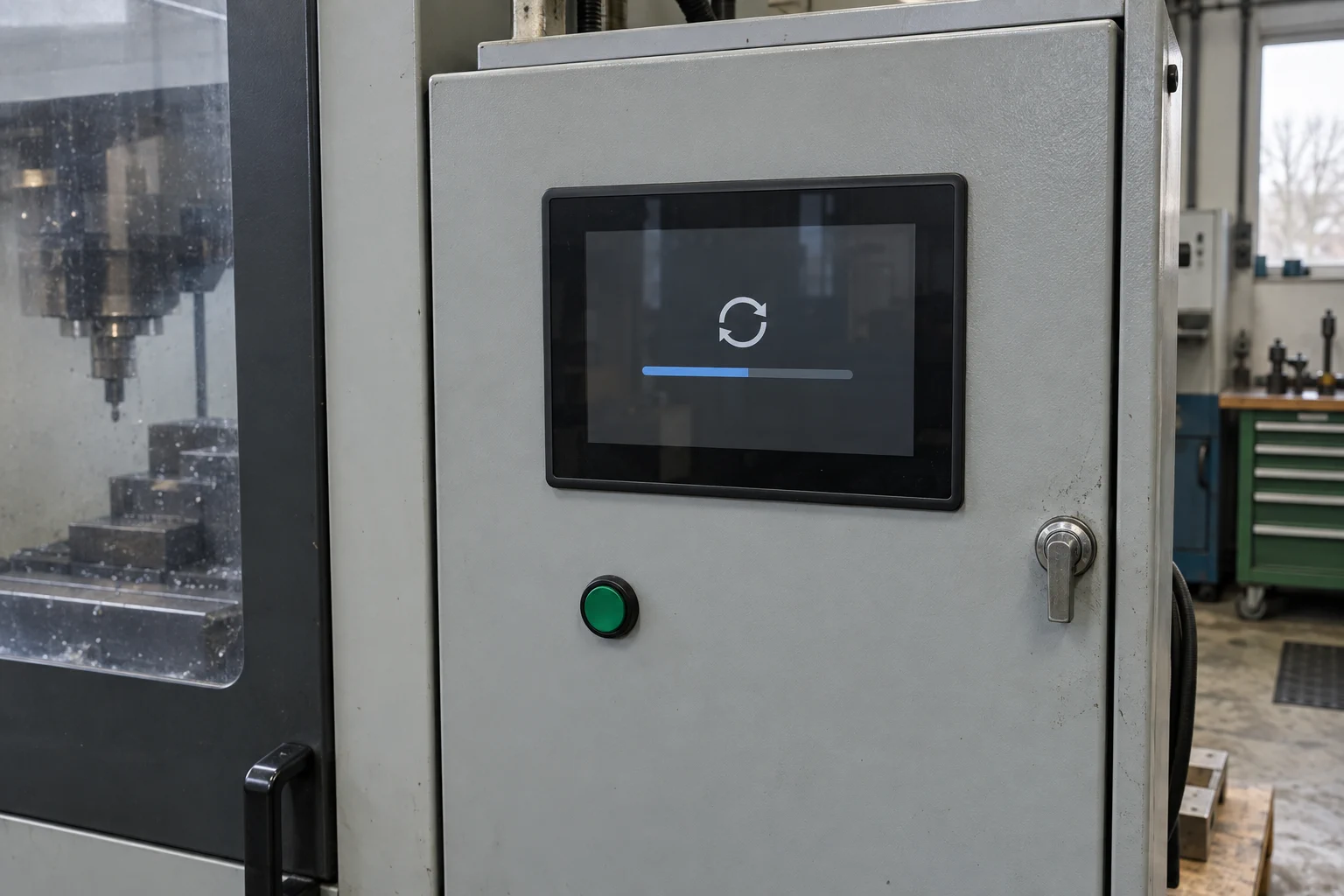
Visible OTA update status
Keep an operator-facing status visible while Linux or the main system applies an update.
Read the product study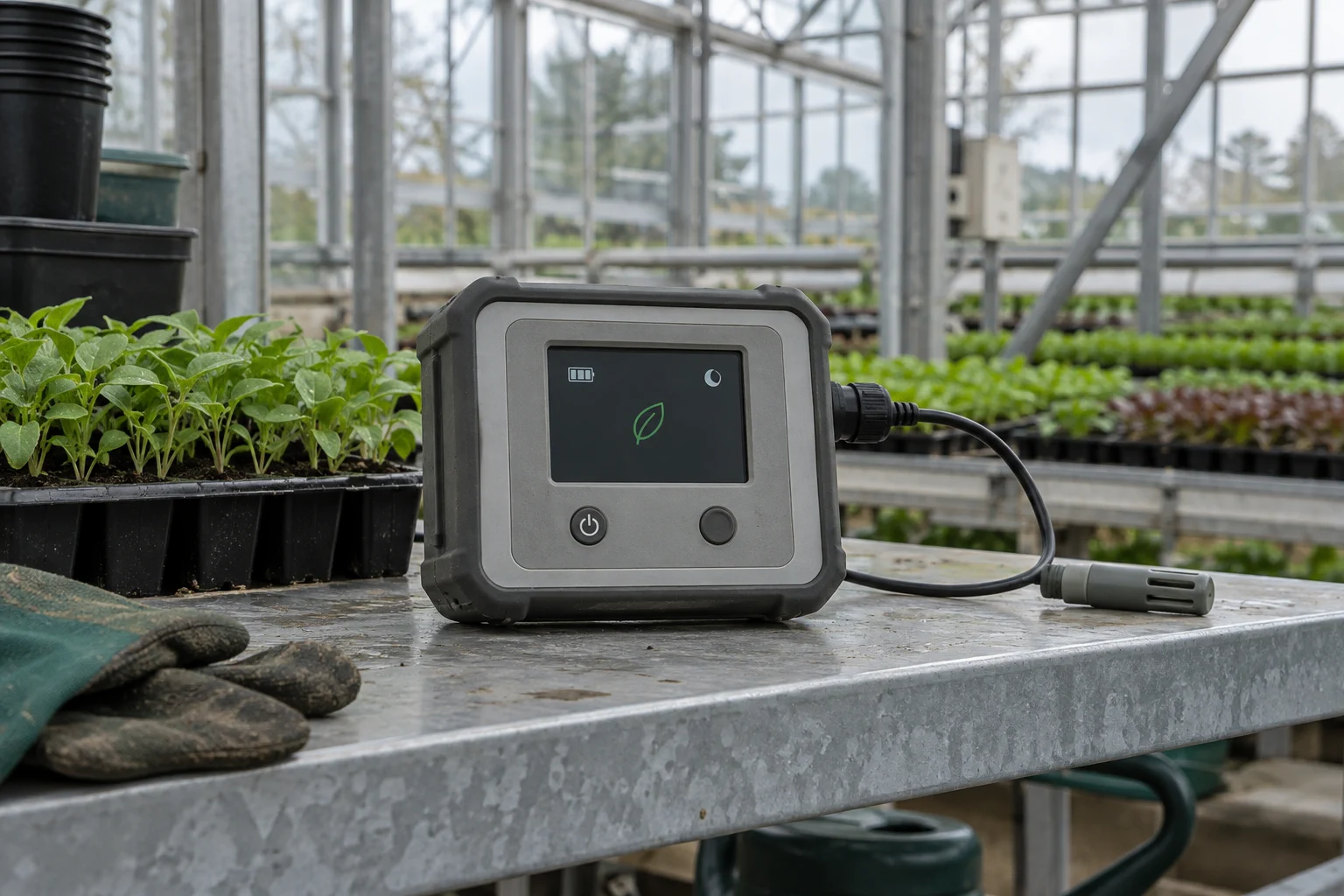
Low-power display operation
Let the real-time core maintain a controlled display while application cores sleep, then request a wake-up when needed.
Read the product study